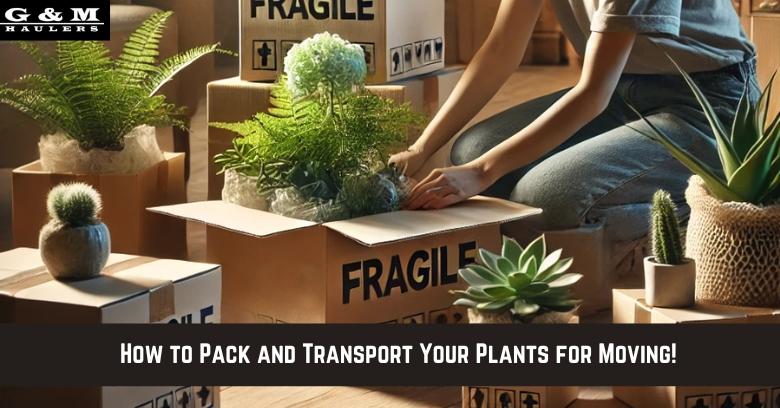
Moving can be a stressful experience for anyone, but it becomes even more challenging when you have precious plants to consider.
Plant owners want to want sure that their plants arrive at their new homes in the same condition they left.
Whether you are hiring residential moving services to move across town or across the country, plants require extra attention during a move.
This article explores the main strategies for packing and transporting plants so that they stay healthy and happy throughout the process.
Understanding Plant Requirements for Moving
When contemplating a move with plants, it is essential to understand their specific needs and how the transition can affect them.
Not all plants are created equal, and different species have varying sensitivities.
By taking time to evaluate your plants' requirements, you can plan ahead to minimize stress. Here are some vital factors to keep in mind:
- Fragility: Plants can be delicate, with some species more susceptible to damage than others. Make sure you know which plants are more fragile and need extra care.
- Temperature Sensitivity: Many plants are sensitive to temperature changes, requiring stable conditions. Extreme temperatures during transit can harm your plants.
- Light Requirements: Some plants need more sunlight than others, so consider how much light they will get during the move. Prolonged periods in low light can affect their health.
- Water Needs: Moving day may disrupt your usual watering routine. Plants can dry out or become overwatered during transport, so it is essential to maintain a proper balance.
Considering these factors, you will be better prepared to handle the unique challenges of moving plants.
If you are hiring movers in Conroe Texas or opting for a full-service move, communicate these needs to the moving team so that your plants are safely transported.
Plan Before You Pack
Planning ahead is key to a smooth moving experience, especially when transporting plants.
Taking the time to research and prepare before the move will help you avoid any surprises.
- Research Regulations: Different regions have specific regulations regarding plant transport, especially when crossing state lines. Certain states may require permits or inspections before plants can be moved, so it is wise to check beforehand.
- Inventory Your Plants: Decide which plants to take with you and which to leave behind. It is practical to transport healthy, manageable plants. Larger plants may need pruning or might be more practical to rehome, especially if they are unsuitable for the new environment.
Being well-informed about regulations and the condition of your plants makes certain that you are prepared for the move, which can reduce stress for both you and your plants.
Preparing Your Plants for the Move
The journey to your new home begins long before moving day. Proper preparation can significantly improve your plants' chances of arriving safely.
Here are some essential steps to take ahead of time:
- Prune and Trim: Remove any dead leaves and trim your plants to make them more manageable. Trimming also promotes healthy growth, making the plants easier to transport.
- Remove Pests: Inspect each plant carefully for pests and remove them. This prevents any unwanted passengers during the move and ensures your plants will not spread any pests to your new home.
- Repot in Plastic: If your plants are in heavy ceramic pots, consider transferring them to lighter plastic containers for easier handling during the move.
- Ensure Plant Health: Before the move, evaluate your plants for any signs of disease or distress. A healthy plant is more likely to withstand the stress of the move and adapt to the new environment.
These preliminary steps can significantly ease the moving process and help reduce the chances of plant damage.
Whether you handle the move yourself or use residential moving services, making sure your plants are healthy before transport is crucial for their survival.
Packing Your Plants
Proper packing is one of the most important aspects of a successful plant move. By securing your plants correctly, you will minimize the risk of damage.
Here are some packing tips to be certain that your plants travel safely:
- Use Open Boxes: Secure your plants in open boxes to allow for air circulation and easy handling. Label each box as "fragile" so movers handle them carefully.
- Cushion the Base: To minimize movement and avoid damage, cushion the plant's base with newspaper, bubble wrap, or packing peanuts.
- Cover with Plastic: Lightly cover the tops of plants with plastic sheets to protect them from wind, rain, and dust during transit; however, don't seal the box completely as plants still need air to breathe.
- Position Correctly: Be certain each plant is placed upright and well-secured in its box to prevent tipping or crushing during transport.
By following these packing tips, you can make sure your plants are well-protected during the move and minimize the risk of damage.
Transporting Your Plants
Once your plants are packed and ready, it is time to transport them to your new home.
When working with movers in College Station or Conroe, these steps will help keep your plants safe during the journey:
- Temperature Control: Plants are highly sensitive to temperature extremes, so keeping your vehicle climate-controlled is essential. Avoid sudden temperature changes, such as leaving plants in a hot car, as this can harm them.
- Limit Travel Time: Try to plan your journey to reduce time spent in transit. The less time your plants are on the road, the less stress they will endure.
- Safety and Security: Make sure your plants do not shift during travel. Secure them using seat belts or brace them with other items to prevent movement and potential damage during the trip.
Maintaining the right conditions while transporting your plants can help with their survival and well-being throughout the move.
Unpacking and Settling In
After a long journey, it is time to settle your plants into their new home.
The way you unpack and acclimate them will determine how quickly they adjust to their new environment:
- Prioritize Unpacking: Upon arrival, prioritize unpacking your plants. The sooner they are in their new environment, the quicker they can acclimatize.
- Acclimatize Gradually: Place your plants in a setting similar to their previous location and gradually introduce them to any changes in light, temperature, or humidity.
- Water Adequately: Re-establish your watering routine to help your plants recover from transit stress. Be mindful not to overwater or underwater them.
- Inspect for Damage: Check your plants for any signs of damage, such as wilting or discoloration. Address these issues as soon as possible to help them recover.
Following these unpacking steps will help your plants thrive in their new environment and be certain they have the best possible start after the move.
Conclusion
Moving with plants can present unique challenges, but by understanding their needs and taking the necessary precautions, you can help them survive the transition with minimal stress.
Whether you are working with movers for a full-service move or handling the transport yourself, always prioritize the health and safety of your plants.
With careful planning, preparation, and proper packing techniques, your plants can arrive at your new home just as healthy and vibrant as they were before the move.
Working with residential moving services or opting for full-service moves will reduce the stress of transporting your plants and make the entire moving process smoother.
Key Takeaways
- Understand your plants' specific needs to prepare appropriately for the moving process.
- Pack carefully using appropriate materials to ensure plant safety.
- Control transport conditions to safeguard your plants during transit.
- Ease the transition by helping your plants acclimate to their new environment.
FAQs
1. How early should I start preparing my plants for a move?
Begin preparations at least one to two weeks before the move.
2. How do I handle plants that are too large to trim or repot?
Make sure they are well-watered and if possible, move with the original pot using secure transport methods.
3. Can I leave plants in the car overnight during a move?
Plants are sensitive to temperature extremes; leaving them in a vehicle overnight is not recommended.
4. What should I do if my plants are damaged during the move?
Trim away damaged parts, provide proper care, and monitor closely for recovery signs.
5. Do movers provide services specifically for transporting plants?
Some companies offer plant-specific transport services; consult your movers in Conroe Texas for options.
6. Is it better to move plants using professional movers or personally?
It depends on the distance and plant size; personal care is often preferable for short distances.
7. How do weather conditions affect moving plants?
Extreme conditions can be harmful; try to transport plants during mild weather.
8. What is the best way to acclimate plants after a move?
Slowly reintroduce them to normal conditions, starting similar to their previous setup.
9. Can all types of plants survive a move?
Most can, but fragile varieties need extra care.
10. How can I make sure my plants receive adequate light and water during a move?
Prioritize placing them where they receive natural space and light and keep to your watering schedule as closely as possible.